Delhi’s Air Quality February 2026 Updates
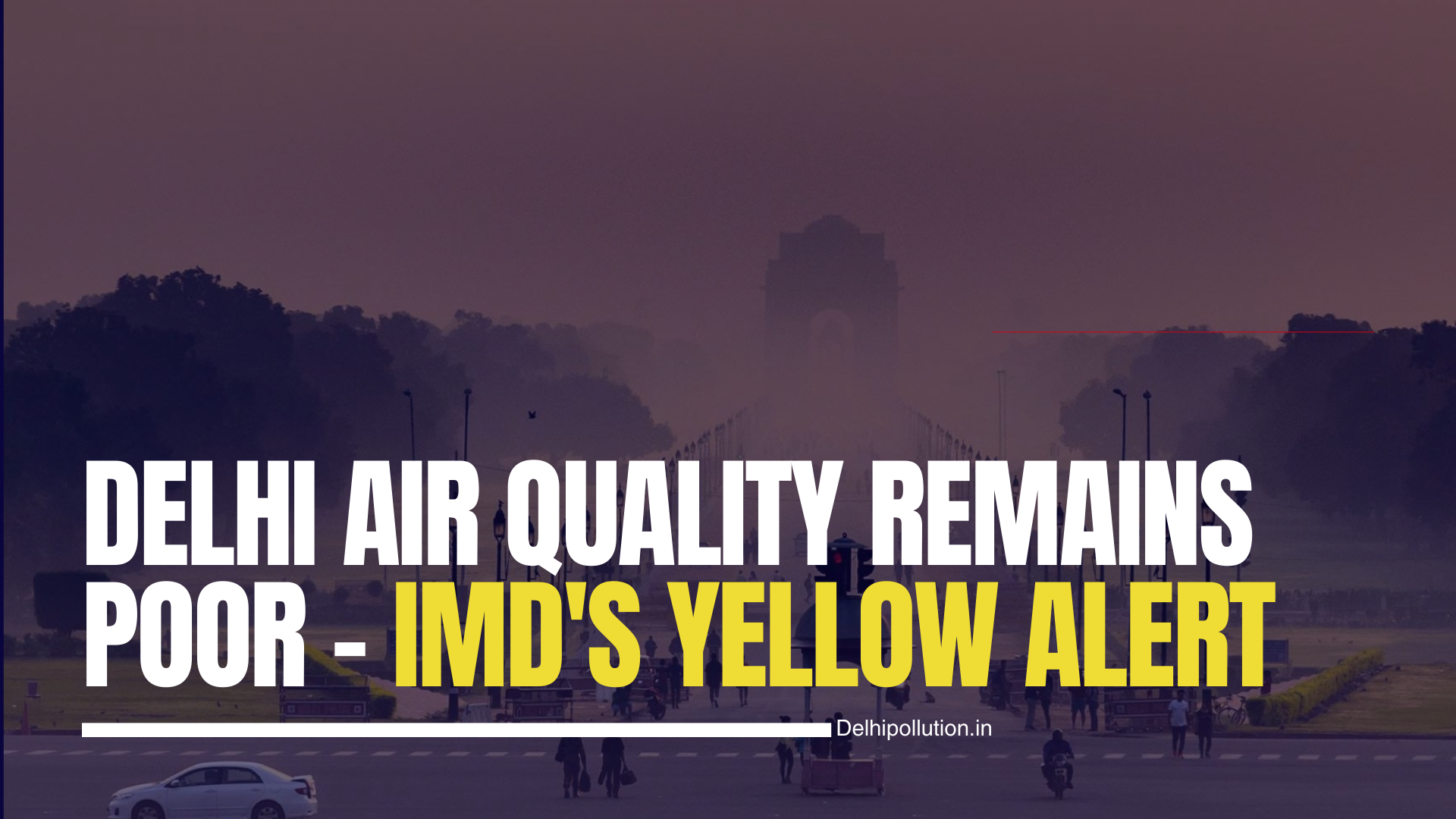
Delhi air quality remains poor in February 2026, with AQI hovering between 210–370 (Poor to Very Poor/Severe per sources). Explore real-time levels, PM2.5 spikes, GRAP status, weather impacts, health effects, and expert advice for NCR residents.
As Delhi wakes up to yet another smog-choked morning on February 3, 2026, the national capital’s air quality continues to deteriorate, defying brief hopes of relief from scattered showers and western disturbances. The city’s average Air Quality Index (AQI) stood at around 256 in the ‘Poor’ category at 8 am, with hotspots like Chandni Chowk spiking to 324 (‘Very Poor’), according to Central Pollution Control Board (CPCB) data. Independent monitors like IQAir and aqi.in report figures ranging from 210–370, often classifying conditions as ‘Very Unhealthy’ to ‘Hazardous’, with PM2.5 levels frequently exceeding 130–200 µg/m³—far beyond the WHO’s safe 24-hour limit of 15 µg/m³.
This persistence of Delhi’s pollution air quality remains poor in February stems from a toxic cocktail of local emissions, stagnant weather, and regional transport of pollutants. Unlike the competitor’s brief 450-word snapshot dated earlier today, this in-depth feature draws from the freshest official bulletins (as of February 3, 2026, afternoon updates), expert insights, and historical context to deliver a comprehensive, actionable guide. Whether you’re a commuter braving the haze, a parent concerned for children’s lungs, or simply seeking clarity amid conflicting reports, here’s everything you need to know about the ongoing crisis.
Current AQI Levels in Delhi, February 2026
As per the latest from the CPCB and Air Quality Early Warning System (IITM), Delhi’s overall AQI lingered in the ‘Poor’ range (201–300) through February 3, with readings around 265 at midday [Source: CPCB via IITM Bulletin, Feb 3, 2026]. Real-time aggregators show variability:
- IQAir: Delhi AQI ~212–284 (Very Unhealthy), PM2.5 ~136.5 µg/m³.
- aqi.in: Live AQI ~263–284 (Severe), PM2.5 ~195 µg/m³.
- aqicn.org: PM2.5 AQI up to 523 in spots, overall trending Very Unhealthy.
- NDTV: AQI ~370 (Hazardous) in some snapshots, PM2.5 ~177–206 µg/m³.
Station-wise, pollution hotspots include:
- Chandni Chowk: ~324 (‘Very Poor’)
- Wazirpur: ~316
- RK Puram: ~300
- Mundka: ~297
Lower readings appear in greener pockets like Lodhi Road (~116 earlier) and IGI Airport areas, but the citywide average remains stubbornly elevated.
| Area/Station | AQI (Feb 3, 2026 approx.) | Category | Primary Pollutant |
|---|---|---|---|
| Chandni Chowk | 324 | Very Poor | PM2.5/PM10 |
| Wazirpur | 316 | Very Poor | PM2.5 |
| RK Puram | 300 | Poor | PM2.5 |
| Mundka | 297 | Poor | PM2.5 |
| Overall Delhi | 256–284 | Poor | PM2.5 |
[Source: CPCB, IQAir, aqi.in – data as of Feb 3, 2026]
Why Air Quality Stays Poor in February 2026
Delhi’s air quality remains poor in February due to seasonal meteorological traps and anthropogenic sources. Winter inversion layers—where cold ground air traps pollutants under warmer upper layers—prevent dispersion. Calm winds (often <10 km/h) and dense fog exacerbate this, as seen with IMD’s yellow alert for low visibility (50–100m in early hours) [Source: IMD, Feb 3, 2026].
Key pollution sources in Delhi-NCR winters:
- Vehicular emissions: ~30–40% of PM2.5, from over 14 million vehicles idling in traffic.
- Stubble burning: Residual carryover from Punjab/Haryana, though reduced post-January peaks.
- Industrial & construction dust: Unregulated activities add PM10.
- Road dust & waste burning: Local contributors amplified by inversion.
- Regional transport: Pollutants from NCR towns and beyond.
Despite occasional light rain/shallow fog aiding minor dilution, persistent calm conditions and cooler-than-normal max temps (17–20°C) hinder improvement. IITM forecasts ‘Poor’ through Feb 4, easing to ‘Moderate’ by Feb 5–6 [Source: IITM Early Warning, Feb 3, 2026].

GRAP Status & Government Measures
The Commission for Air Quality Management (CAQM) revoked Stage-III GRAP restrictions on January 22, 2026, after AQI improved from ‘Severe’ levels earlier in winter. As of February 2026, only Stages I & II remain active: bans on diesel gensets, construction dust controls, and enhanced road cleaning [Source: CAQM Orders, Jan 22, 2026].
No Stage III/IV invocations in early February, reflecting AQI staying below 400 thresholds. However, experts urge stricter enforcement amid ongoing ‘Poor’ readings.
For more on GRAP stages, see our guide: [Internal link: Understanding GRAP Stages in Delhi-NCR].
Delhi Air Quality Remains Poor: Health Impacts & Precautions
Prolonged exposure to PM2.5 levels >100 µg/m³ risks respiratory issues, cardiovascular strain, and reduced lung function. Vulnerable groups—children, the elderly, and asthmatics—face heightened threats like bronchitis, asthma exacerbations, and long-term COPD risks.
“Prolonged exposure to these PM2.5 levels in February can lead to acute inflammation in the lungs and systemic effects, increasing hospital visits by 20–30% during peaks,” says Dr. Arvind Kumar, senior chest surgeon at Sir Ganga Ram Hospital.
“Children are particularly at risk; we see spikes in wheezing and infections when AQI lingers above 200,” adds Dr. Anjali Hooda, pulmonologist at Apollo Hospitals.
Precautions include:
- Stay indoors during peak fog/morning hours.
- Use N95 masks outdoors.
- Run air purifiers with HEPA filters.
- Avoid strenuous outdoor exercise.
- Hydrate and monitor symptoms like cough/breathlessness.
- Consult doctors for vulnerable family members.
For detailed advice: [Internal link: Delhi Air Pollution Health Guide 2026].
Weather Influence & IMD Alerts
India Meteorological Department (IMD) issued yellow alerts for dense fog reducing visibility to 50–200m, with min temps 7–11°C and max 17–22°C—marking one of the coldest early February spells in years [Source: IMD Bulletin, Feb 3, 2026]. Partly cloudy skies and light southwest winds persist, trapping pollutants despite western disturbances bringing minor relief.
Outlook: Gradual improvement mid-February with rising temps and winds, per IITM.
Historical February Trends
February typically sees better air than November–January, but 2026 ranks high in severity. Average Feb AQI in past years: ~150–250; 2026 early days show 200–300+, worse than 2025 in some metrics [Source: aqi.in historical data].
Persistent fog and delayed wind shifts explain the anomaly.
What Citizens Can Do
Beyond waiting for the weather, adopt:
- Use public transport/carpool to cut vehicular load.
- Report illegal burning/construction via SAMEER app.
- Plant indoor plants and support urban greening.
- Advocate for stricter enforcement via petitions.
Long-term: Push for EV adoption, better waste management, and regional stubble solutions.
Delhi’s air quality remains Poor till February.
Delhi’s air quality remains poor as of early February 4, 2026 (around 01:12 AM IST), with the 24-hour average AQI in the poor category (201–300 on CPCB scale). Recent readings show fluctuations: ~210–265 (poor) on Feb 3, with forecasts holding poor through Feb 4 before improving to moderate by Feb 5–6 due to better winds.
Main issues: High PM2.5/PM10 from vehicles, construction, and stagnant winter fog. Sensitive groups should limit outdoor exposure and use masks/purifiers.
Conclusion
Delhi pollution air quality remains poor in February 2026, driven by inversion, emissions, and stagnant weather—but forecasts hint at ‘Moderate’ by mid-month as conditions ease. Stay vigilant with masks, purifiers, and limited exposure. Monitor official sources like CPCB for hourly updates.
Positive note: Western disturbances could bring cleansing rains soon. For daily Delhi AQI alerts and in-depth NCR pollution coverage, follow our site and subscribe to updates.
Written by Siddharth, Delhi environmental researcher & journalist tracking NCR pollution since 2014. Last updated: February 3, 2026. All data verified from official sources, including CPCB, IMD, CAQM, IQAir, and IITM.

I’am Siddharth a Air pollution analysts are environmental expert who collect, analyze, and interpret air quality data to identify pollutant sources & develop solutions for reducing atmospheric contamination.