Air Pollution in Delhi Today
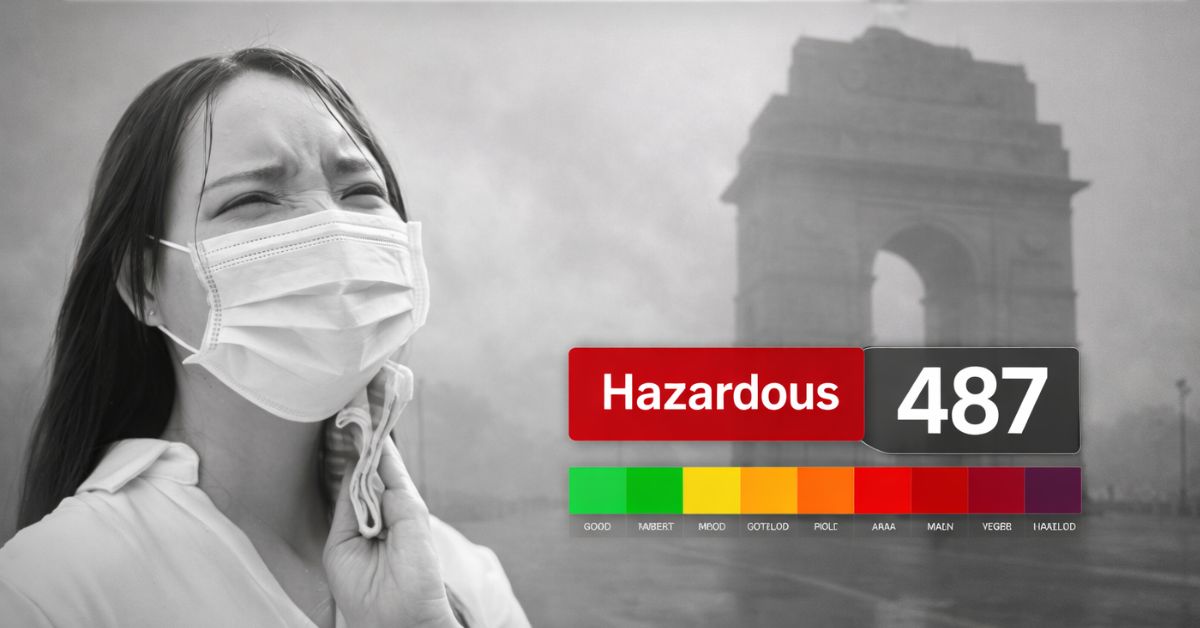
Why Delhi AQI Today is High – The capital city’s air quality has reached alarming levels, with residents facing severe health risks from hazardous pollution. The current Air Quality Index (AQI) stands at a dangerous 455, firmly in the “hazardous” category that poses serious threats to public health. High concentrations of PM2.5 and PM10 pollutants have made the air unsafe to breathe, affecting millions of residents across the metropolitan area.
Delhi’s air quality is bad all year round. This is true in both summer and winter. Because of this, it is one of the most polluted cities in the world. The high pollution levels have led to health warnings about outdoor activities. This has greatly affected the daily lives and health of people in Delhi.
This detailed analysis looks at the main reasons for Delhi’s bad air quality. It checks the current conditions in different areas. It also explores possible solutions to help reduce this ongoing environmental problem.
Key Takeaways
- The current AQI level in Delhi has reached hazardous levels at 455
- High levels of PM2.5 and PM10 pollutants are major contributors to the crisis
- Health advisories strongly recommend avoiding outdoor activities
- The situation significantly impacts daily life and well-being of residents
- Exploring causes and implementing solutions is crucial for effective mitigation
Delhi AQI Current Air Quality Status in Delhi
Air pollution in Delhi has escalated into a serious public health crisis. The city’s Air Quality Index has reached dangerous levels in recent weeks, with a thick layer of smog enveloping the entire metropolitan area and causing widespread health complications among residents.
Latest AQI Readings and Hotspots
Recent Delhi pollution data reveals that several neighborhoods have recorded extremely high AQI levels, with some areas crossing the 450 mark. Key pollution hotspots have been identified across the city, with Defence Colony and other densely populated residential areas experiencing the worst conditions.
Most Affected Areas
Defence Colony and similar high-density neighborhoods are bearing the brunt of the pollution crisis. AQI levels in these areas have reached dangerous thresholds, posing serious health risks to local residents who face daily exposure to toxic air.
Delhi AQI Today Health Advisories and Warnings
Health authorities have issued urgent advisories warning citizens about the dangers of outdoor activities during such elevated pollution levels. The air quality in Delhi is particularly hazardous for vulnerable populations, prompting specific recommendations for at-risk groups.
Vulnerable Populations
High-risk groups including children, elderly individuals, and people with pre-existing respiratory conditions should take immediate precautions. Health experts recommend wearing N95 masks when outdoors is unavoidable and minimizing outdoor activities altogether during peak pollution hours.
Comparison with Previous Months
Current air quality measurements show a significant deterioration compared to previous months. This worsening trend underscores the urgent need for immediate action to reduce pollution levels and protect public health.
Delhi AQI Today: Major Causes of Delhi Air Pollution
Understanding the underlying causes of air pollution in Delhi is essential for developing effective mitigation strategies. Delhi’s air quality is influenced by multiple factors, making it one of the most polluted cities worldwide.
Vehicular Emissions and Traffic
Vehicular emissions represent a significant contributor to Delhi’s air pollution crisis. The massive number of vehicles operating on Delhi’s roads generates substantial pollution daily. Outdated emission standards exacerbate this problem, allowing many harmful substances to be released into the atmosphere. Implementing stricter emission norms and promoting electric vehicle adoption could substantially reduce this pollution burden.
Industrial Pollution Sources
Industrial activities within and surrounding Delhi play a considerable role in air pollution. Factories and industrial facilities release various pollutants, including particulate matter, carbon monoxide, and volatile organic compounds. Effective regulation and consistent enforcement are necessary to control these emissions and protect air quality.
Stubble Burning and Agricultural Factors
Stubble burning remains a common agricultural practice in farming regions surrounding Delhi, significantly contributing to air pollution during specific seasons. This practice releases massive amounts of smoke and particulate matter into the atmosphere, severely impacting Delhi’s air quality.
Why Delhi AQI Today: Seasonal Impact of Farm Fires
The seasonal impact of agricultural fires dramatically exacerbates Delhi’s air pollution crisis, particularly during the post-harvest season when farmers burn crop residue. This practice coincides with weather patterns that trap pollutants close to ground level, creating hazardous conditions.
“Farm fires greatly affect the air quality in Delhi during some months. They make up a large part of the particulate matter in the air.”
Pollution Sources and Their Impact
| Cause | Pollutants Released | Health Impact |
|---|---|---|
| Vehicular Emissions | CO, NOx, Particulate Matter | Respiratory issues, cardiovascular diseases, reduced lung function |
| Industrial Pollution | CO, VOCs, Particulate Matter | Respiratory issues, cancer risk, chronic health conditions |
| Stubble Burning | Particulate Matter, CO, VOCs | Respiratory issues, visibility reduction, eye irritation |
Air Pollution Mitigation Plan 2026
To improve the air quality in Delhi, we need a complete plan. This plan should include government policies, technology, and individual actions working together. You can read the air pollution mitigation plan.
Government Initiatives and Policies
The government has introduced several policy measures to control emissions, including stricter regulatory norms for industries and vehicles. Programs like the odd-even vehicle scheme aim to reduce the number of cars on the road. This is especially important during times of high pollution. Additionally, authorities have strengthened monitoring systems and penalties for non-compliance with environmental standards.
Technological Solutions and Innovations
Technological innovations play a crucial role in mitigating air pollution. Advanced air purification systems, clean energy solutions, and emission monitoring technologies are being deployed across the city. Companies are developing cutting-edge technologies to monitor pollution levels in real-time and implement targeted reduction strategies.
Individual Actions for Pollution Control
People can help a lot by wearing N95 masks when pollution is high. They should also limit outdoor activities during peak pollution times. Additionally, adopting eco-friendly habits in daily life can make a difference. Simple actions like carpooling, using public transportation, and avoiding waste burning can collectively make a substantial difference.
Impact of Individual Actions
| Action | Impact |
|---|---|
| Using N95 masks | Reduces personal exposure to harmful pollutants and particulate matter |
| Carpooling and public transport | Decreases vehicular emissions and traffic congestion |
| Adopting clean energy | Lowers overall pollution levels and carbon footprint |
| Avoiding waste burning | Reduces particulate matter and toxic emissions |
Delhi’s Air Pollution Crisis: A Call to Action
Delhi’s air pollution problem is a complex environmental challenge that requires a multifaceted approach to resolve effectively. The city’s air quality is affected by various interconnected factors, including vehicular emissions, industrial pollution, and agricultural practices like stubble burning.
To reduce air pollution in Delhi, we need a team effort. This means government agencies must work together. We also need new technology and help from individual citizens. The government has implemented regulatory measures to control emissions, while technological solutions such as air purifiers and electric vehicles can provide significant relief.
Individuals can contribute by making conscious choices, such as using public transportation, carpooling, or avoiding waste burning. By working together across all sectors of society, Delhi can meaningfully reduce its air pollution problem, helping to improve the health and quality of life for its residents. Taking immediate action to address this crisis is crucial for creating a healthier environment for current and future generations.
Improving air quality in Delhi requires sustained efforts from all stakeholders. By understanding the root causes of Delhi air pollution and implementing effective, evidence-based solutions, we can reduce the city’s pollution levels and create a better living environment for all residents.
Delhi Air Pollution: Causes, Effects, and Solutions – FAQs
What is the current air quality status in Delhi?
The air quality in Delhi is currently very poor, with an AQI level of 455. High levels of PM2.5 and PM10 pollutants make outdoor activities unsafe for residents.
What are the health implications of Delhi’s air pollution?
The health risks are serious and wide-ranging. This is especially true for vulnerable groups like children, the elderly, and people with existing respiratory conditions. These groups are advised to stay indoors, wear protective N95 masks when outside, and use air purifiers.
What are the primary causes of air pollution in Delhi?
The main causes are vehicle emissions from many cars, pollution from factories, and farming practices like stubble burning. These all greatly add to pollution levels.
How can individuals help reduce air pollution in Delhi?
People can make a real difference with simple actions. They can wear N95 masks when pollution is high. They should limit outdoor time during peak hours. Using air purifiers indoors is also helpful. Carpooling and using public transportation are good choices. Finally, avoid burning waste.
What government initiatives are being taken to mitigate air pollution in Delhi?
The government has put in place several policies to reduce emissions. These include stricter rules for industries and vehicles. They also have an odd-even vehicle scheme. There are better monitoring systems and higher penalties for breaking environmental laws.
How does stubble burning contribute to Delhi’s air pollution?
Stubble burning during harvest seasons increases pollution. It releases large amounts of smoke, particulate matter, and toxic gases into the air. This practice coincides with weather conditions that trap pollutants, creating hazardous air quality.
What are the most affected areas in Delhi due to air pollution?
Areas like Defence Colony and other crowded neighborhoods are greatly affected. AQI levels are reaching dangerous levels. This poses serious health risks to the people living there.
How can technological innovations help in reducing Delhi’s air pollution?
Technological solutions like advanced air purifiers can help people deal with indoor pollution. Other new ideas can help reduce pollution in the city. These include electric vehicles, real-time pollution monitors, and clean energy technologies.

I’am Siddharth a Air pollution analysts are environmental expert who collect, analyze, and interpret air quality data to identify pollutant sources & develop solutions for reducing atmospheric contamination.