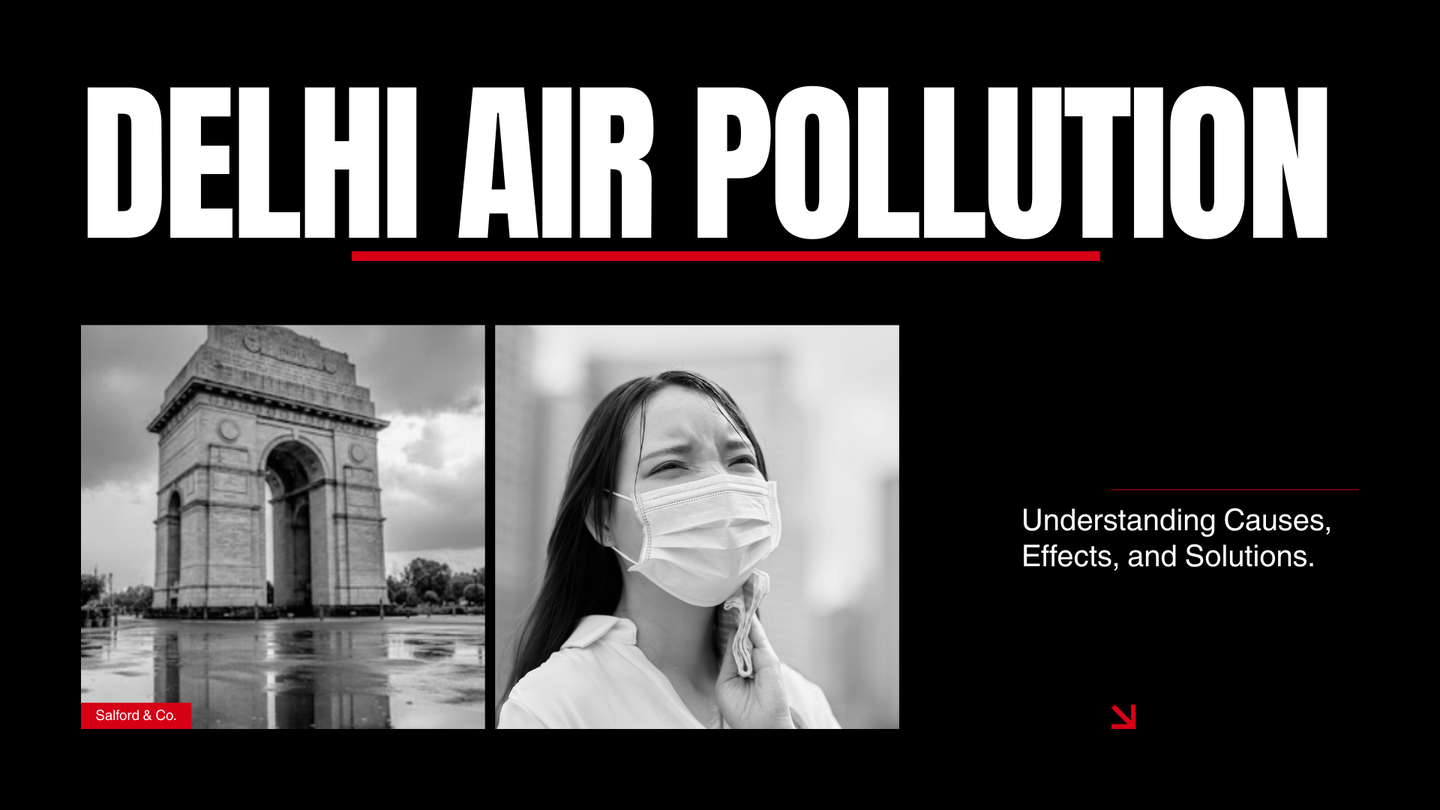
Capital’s small-scale rubbish fires surge 72% as landfill blazes and street-level burning compound deadly air crisis
NEW DELHI — As Delhi battles hazardous air pollution levels, a troubling pattern of uncontrolled waste burning across the capital is significantly worsening the crisis, with incidents of small-scale “rubbish fires” jumping nearly 72 percent in March 2025 compared to the previous year, ORF Online, exposing millions to toxic fumes while authorities struggle to enforce existing bans.
The surge in garbage fires extends beyond Delhi’s infamous towering landfills to street corners, parks, and roadsides throughout the city. According to Delhi Fire Services data, the capital recorded 662 instances of rubbish fires in March 2025 alone, with a total of 4,988 such incidents throughout the previous year ORF Online. These small-scale blazes involving dry leaves, debris, and household waste often escape official attention yet contribute substantially to the particulate matter choking the city’s air.
The health consequences are severe and measurable. Research shows that when waste fires occur at major landfill sites, PM2.5 concentrations increase by approximately 45-55%, while PM10 levels rise by 40-50% New Kerala The Tribune, far exceeding safe exposure limits established by health authorities.
System Breakdown Fuels Crisis
Environmental experts point to fundamental failures in waste management infrastructure. According to recent government assessments, the burning of local organic waste—including wood, cow dung cakes, and agricultural waste burned for heating—contributes 24% to PM2.5 concentrations during winter months Springer, when pollution reaches emergency levels.
“The problem is systemic,” explained Dr. Ravi Agarwal, director of a Delhi-based environmental advocacy group. “We have regulations on the books, fines of Rs 5,000 for violators, but enforcement is spotty at best. Meanwhile, people continue burning waste in the open because the collection system isn’t working.”

The crisis is compounded by Delhi’s three massive landfill sites at Ghazipur, Bhalswa, and Okhla, which frequently burst into flames. Delhi Chief Minister Rekha Gupta recently announced that legacy waste at Okhla and Bhalaswa would be cleared by the end of 2026, with bio-mining capacity ramped up to over 30,000 metric tonnes daily Medium. However, the Ghazipur site alone continues receiving more than 2,300 metric tons of solid waste every day Springer, despite having exceeded capacity in 2002.
Delhi Burns Its Waste Openly – Local Burning Escapes Scrutiny
While massive landfill fires make headlines, countless smaller fires burning throughout residential neighborhoods often go unaddressed. A recent inspection in the upscale R.K. Puram area found multiple patches of burnt dry leaves lining streets, with municipal and public works officials passing responsibility between agencies rather than addressing the problem.
“There’s a fire every year. It is not new. There is risk to life and livelihood, but what do we do?” said Mohan Singh, a waste worker living near the Bhalswa landfill, capturing the resignation many Delhi residents feel about the recurring crisis.
Civic negligence and official apathy have contributed to dangerous situations. In March, celebratory firecrackers ignited accumulated waste in East of Kailash, causing multiple garbage fires that could have been prevented with proper waste collection.
Political Promises Versus Ground Reality
Chief Minister Gupta has criticized previous administrations for relying on “temporary relief measures” like anti-smog guns and water sprinklers rather than addressing root causes. Her government has identified vehicular emissions, road dust, and waste mismanagement as primary pollution contributors.
Yet observers remain skeptical about whether ambitious timelines can be met. Municipal authorities have repeatedly missed deadlines for clearing legacy waste, and biomining operations, while progressing into their second phase, continue to face challenges in accelerating reclamation efforts The Pioneer.
The persistent open burning reflects deeper challenges in Delhi’s waste ecosystem. Informal waste pickers salvage valuable recyclables, leaving behind plastics and non-recyclable materials that often end up burned. Waste pickers operating within the informal economy manage to recycle around 20-25% of the city’s daily waste output Center for History and Economics, but their crucial role remains unrecognized and unsupported by formal systems.
As Delhi residents face another pollution season, the dual threat of large-scale landfill fires and proliferating street-level burning continues to poison the air they breathe. Without fundamental reforms to waste collection, segregation, and enforcement systems, the capital’s self-inflicted choking appears likely to persist despite official assurances of improvement. CPCB is also taking so many initiatives to reduce Air pollution in delhi.
Authorities have imposed fines on violators and intensified inspections, but experts argue that penalization alone cannot solve systemic failures requiring coordinated action across multiple government agencies and behavioral changes throughout the city’s 35 million residents.
I’am Siddharth a Air pollution analysts are environmental expert who collect, analyze, and interpret air quality data to identify pollutant sources & develop solutions for reducing atmospheric contamination.