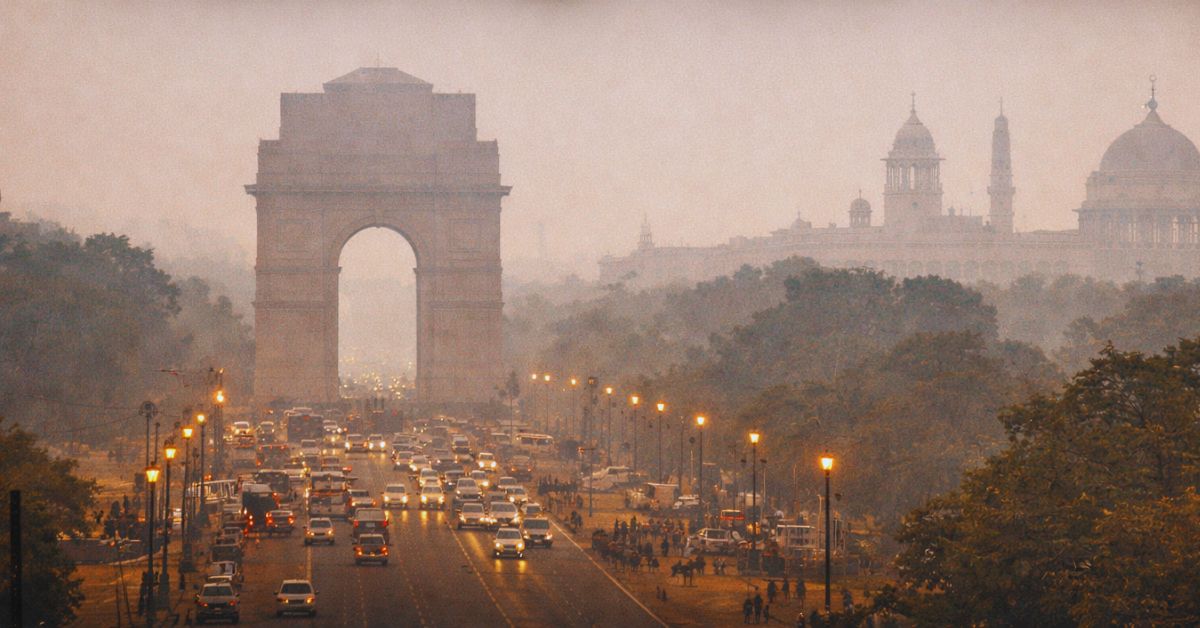
Here is why Delhi Air Quality Today: AQI Around 180. Let’s discuss in detailed Delhi’s air quality showed a temporary improvement on Thursday, with the Air Quality Index (AQI) hovering around 180, placing it in the “moderate” category, according to official monitoring data. While the short-term relief has offered some breathing space to residents, experts and authorities caution that the improvement may not sustain for long due to changing weather conditions and persistent local pollution sources.
Data released by the Central Pollution Control Board (CPCB) indicates that several monitoring stations across Delhi recorded AQI values between 170 and 190 during the morning and afternoon hours. Areas such as Anand Vihar, Punjabi Bagh, and Dwarka reported moderate pollution levels, though localized pockets continued to experience “poor” air quality, primarily driven by PM10 and PM2.5 concentrations.
Delhi Air Quality Index (AQI) Today
Meteorological factors played a key role in the marginal improvement. The India Meteorological Department (IMD) attributed the drop in pollution levels to strong surface winds and improved atmospheric dispersion, which helped dilute suspended particulate matter. Rising daytime temperatures also contributed to reducing temperature inversion — a major factor that traps pollutants close to the ground during winter months.

However, environmental experts warn that this improvement is weather-driven and fragile. Forecast models suggest a decline in wind speed over the next few days, which could once again allow pollutants to accumulate. Emissions from vehicular traffic, construction activity, road dust, and biomass burning in the Delhi-NCR region remain active contributors to air pollution, increasing the risk of a rebound into the “poor” category.
Health specialists continue to advise caution, especially for children, the elderly, and individuals with respiratory or cardiovascular conditions. Even at moderate AQI levels, prolonged exposure can cause eye irritation, coughing, throat discomfort, and reduced lung function. Doctors recommend limiting outdoor exertion during peak traffic hours and using N95 masks in high-exposure zones.
Authorities are maintaining close surveillance under the Graded Response Action Plan (GRAP) framework to ensure a swift response if pollution levels deteriorate. Officials have emphasized stricter enforcement of dust-control measures at construction sites and better regulation of commercial vehicle emissions to prevent sudden spikes.
Delhi Air Quality Today: AQI Around 180 Improvement Refected
In summary, while Delhi’s air quality has improved for now, the relief appears temporary rather than structural. Without sustained meteorological support and long-term emission control, the city remains vulnerable to recurring pollution episodes. Residents are advised to stay updated with daily AQI bulletins and take preventive health measures as conditions evolve.
If you want us to cover your local areas air pollution problems and we updates it on our platform after locaton visit verification. You can contact us by filling form.

Nidhi Kapoor is an environmental journalist and air pollution monitoring expert with 8 years of experience. She specializes in collecting, analyzing, and interpreting air quality data to identify pollutant sources and their impact on public health. Through her investigative reporting, Nidhi develops insights and advocates for evidence-based solutions to reduce atmospheric contamination.