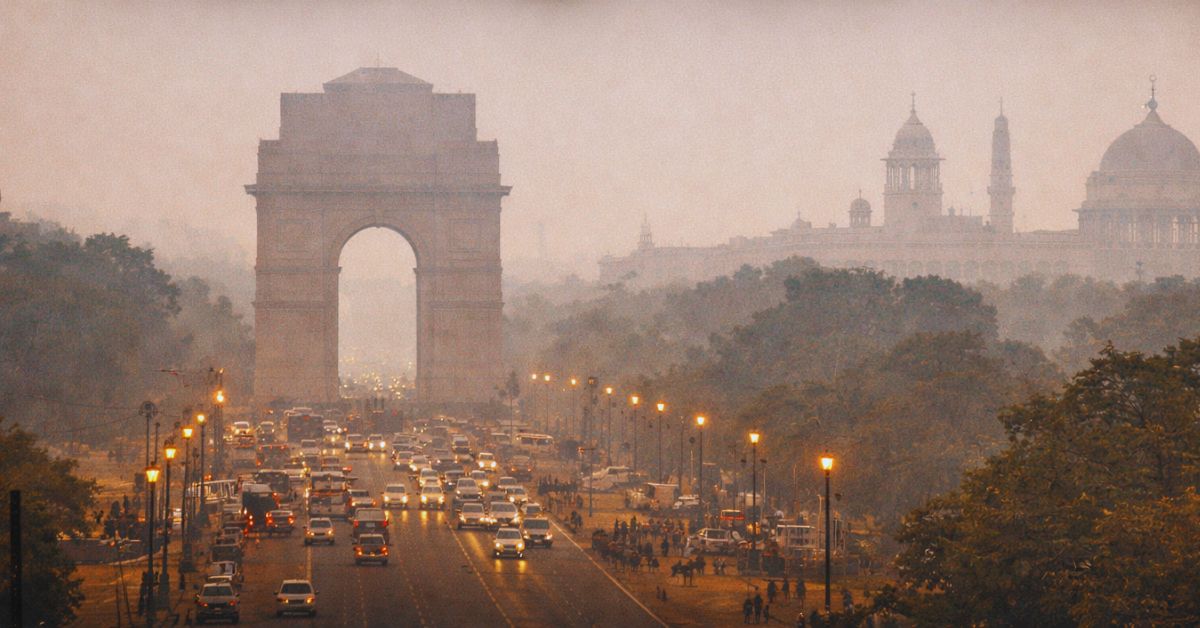
NEW DELHI, March 3, 2026 — Delhi air quality deteriorated once again on Tuesday morning, with the overall Air Quality Index (AQI) slipping into the ‘poor’ category. According to the report from the source URL, the city recorded an overall AQI of 220 at 8 AM, a sharp spike from the 176 recorded at the same time on Monday. While most of the city remains in the poor bracket, the locality of Punjabi Bagh recorded ‘severe’ pollution levels.
Monitoring Station Breakdown: Poor vs. Severe AQI Levels
The article states that out of 44 monitoring stations in the national capital, 27 recorded air quality in the ‘poor’ category, while 16 reported ‘moderate’ levels. Punjabi Bagh emerged as the most polluted area, recording a severe AQI of 368. Other identified hotspots include Anand Vihar and Shadipur, which also recorded elevated pollution readings.
| Monitoring Station | AQI Recorded | Category |
| Punjabi Bagh | 368 | Severe |
| Anand Vihar | 291 | Poor |
| Shadipur | 273 | Poor |
| Mundka | 272 | Poor |
| Dilshad Garden (IHBAS) | 156 | Moderate (Best in City) |
Delhi Air Quality Weather Impact: Strong Winds and Rising Mercury
The India Meteorological Department (IMD) has forecast that while the air is currently poor, stronger surface winds may aid in the dispersal of pollutants later today. Sustained wind speeds of 15–25 kmph, with gusts up to 35 kmph, are expected. However, the mercury continues to rise, with maximum temperatures likely to hover between 30 and 32 degrees Celsius.

As per the details provided, mornings in Delhi have remained slightly hazy, but afternoons are expected to stay mainly clear. The rising temperatures are expected to increase discomfort for residents throughout the week.
Health Risks and Resident Advisory
Under CPCB classifications, the current ‘poor’ AQI levels (201–300) can cause breathing discomfort on prolonged exposure, particularly among sensitive groups. The ‘severe’ levels (above 300) seen in Punjabi Bagh pose even greater health risks. Residents in high-pollution zones are advised to:
- Limit Exposure: Avoid prolonged outdoor activity in areas like Punjabi Bagh and Anand Vihar.
- Sensitive Groups: Children, the elderly, and those with respiratory conditions should take extra precautions.
- Stay Updated: Monitor real-time AQI fluctuations as wind speeds change during the day.
What Happens Next
The IMD indicates that the dry conditions and rising temperatures will persist over the coming days. While the predicted strong winds offer a temporary window for pollutant dispersal, the overall trend suggests that Delhi will continue to experience warm weather and fluctuating pollution levels. Authorities remain on alert to see if the increased wind speed successfully pulls the overall AQI back into the ‘moderate’ zone by Wednesday.

I’am Siddharth a Air pollution analysts are environmental expert who collect, analyze, and interpret air quality data to identify pollutant sources & develop solutions for reducing atmospheric contamination.