NCR Cities Among Most Polluted in India for January 2026
After reviewing the AQI Performance Delhi CREA monthly air quality dataset on February 6, 2026. Air pollution across India stayed worryingly high in January 2026. Several cities in the National Capital Region (NCR) were among the worst in the country for airborne particulate matter. The latest analysis by the https://en.wikipedia.org/wiki/Centre_for_Research_on_Energy_and_Clean_Air shows that fine particulate matter (PM2.5) levels greatly surpassed national safety limits in many urban areas. This situation raises serious public health concerns.
Key Highlights: Most Polluted City in India
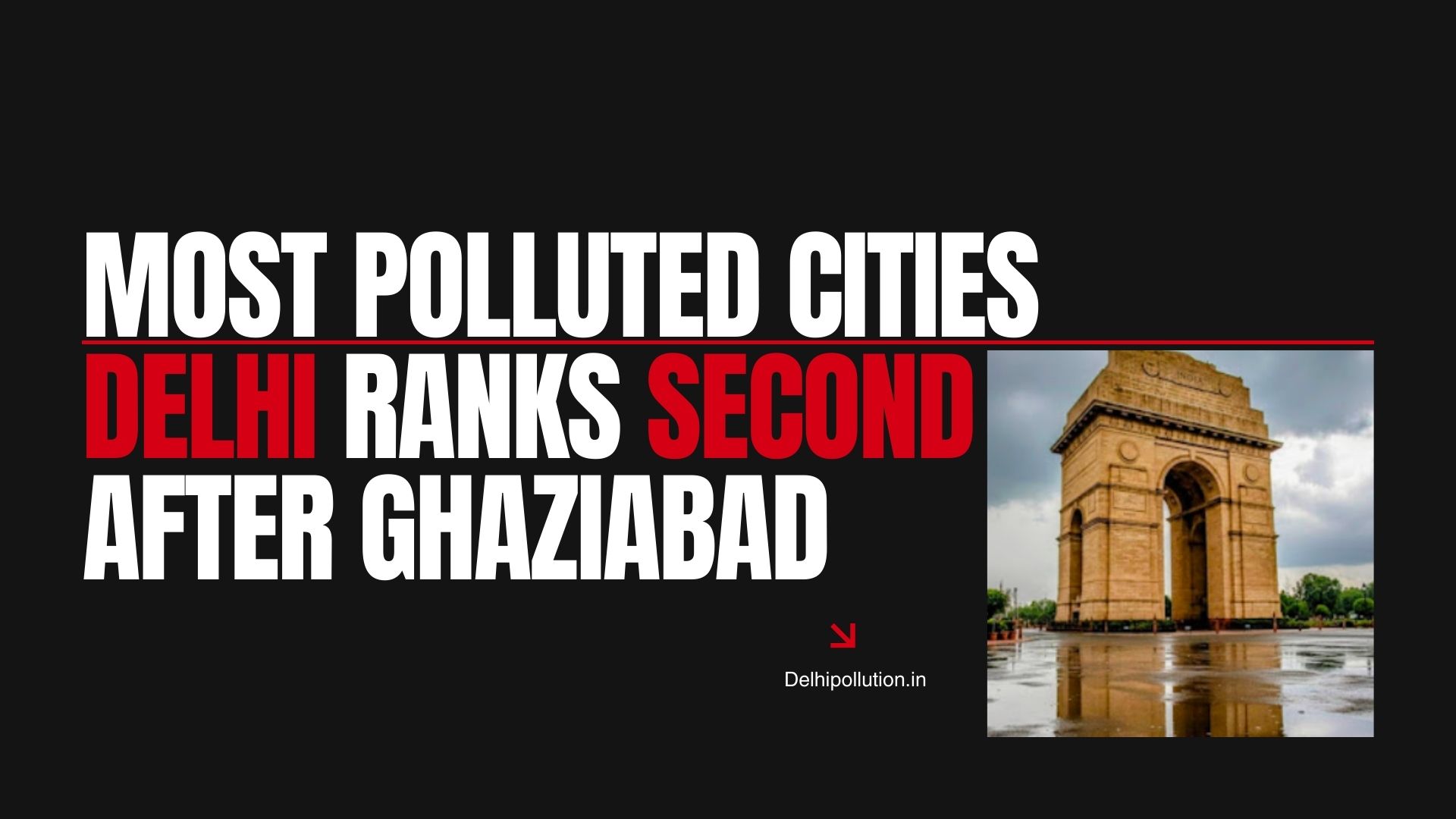
- Ghaziabad emerged as the most polluted city in India, with an average PM2.5 level of 184 µg/m³ — more than three times above India’s national safety standard.
- Delhi recorded an average PM2.5 concentration of 169 µg/m³, making it the second most polluted city in the country for January.
- Noida, Gurgaon, and Greater Noida also featured among the top five most polluted cities in the National Capital Region.
- Out of 248 cities with reliable data, 123 had PM2.5 levels above India’s standards, and none reached the safe limit set by the World Health Organization (WHO).
January 2026 Air Quality Performance — Top Polluted Cities (PM2.5)
| Rank | City | PM2.5 (µg/m³) | Status vs Norms |
|---|---|---|---|
| 1 | Ghaziabad | 184 | Exceeded NAAQS & WHO |
| 2 | Delhi | 169 | Exceeded NAAQS & WHO |
| 3 | Noida | — | Exceeded NAAQS & WHO |
| 4 | Gurgaon | — | Exceeded NAAQS & WHO |
| 5 | Greater Noida | — | Exceeded NAAQS & WHO |
Source: CREA monthly air quality dataset, January 2026
AQI Performance of Delhi, National and Regional Trends
Analysis of air quality across India shows that nearly half of the monitored urban centers did not meet India’s National Ambient Air Quality Standards for fine particulate matter. Even cities involved in the National Clean Air Programme (NCAP), which targets a reduction in PM2.5, demonstrated widespread non-compliance.
At the state level, Rajasthan recorded the most cities breaching PM2.5 limits, followed by Haryana, Bihar, Odisha, and Uttar Pradesh.
Only 21 cities achieved a “Good” air quality classification, while dozens were classified as “Moderate” to “Very Poor”, reflecting unhealthy breathing conditions for the general population.

Health Impacts and Policy Implications
Fine particulate matter (PM2.5) is widely acknowledged as a major health hazard, penetrating deep into the lungs and bloodstream, and increasing the risk of respiratory and cardiovascular diseases. Hospitals and health experts often warn that long-term exposure to high pollution levels, especially in winter, can have a greater impact on children, older adults, and people with existing health issues.
Experts have urged a revision of current clean air policies to focus more on PM2.5 and its precursor gases (like nitrogen dioxide and sulfur dioxide), adopt airshed-based regional strategies, and strengthen emissions standards for industries and power plants.
What Is PM2.5 and Why Does It Matters
PM2.5 refers to particulate particles with a diameter of 2.5 microns or smaller. These particles are a key component of urban smog and are considered more dangerous than larger particles because they can lodge deep in the lungs and enter the bloodstream. Long-term exposure has been linked to lung cancer, heart disease, stroke, and premature death.
Both Indian standards and WHO guidelines exist to help governments regulate air quality, but the WHO’s safe limit (15 µg/m³ daily) is significantly lower than national norms, highlighting a gap between ideal and real-world air quality levels in Indian cities.
AQI Performance of Delhi
AQI Delhi remains a major public health issue, especially in winter. In January, the city often saw AQI levels classified as very poor to severe, mainly due to high PM2.5 concentrations. Low wind speeds, temperature inversion, vehicle emissions, construction dust, and pollution from nearby states made air quality even worse. Even with measures from the Graded Response Action Plan (GRAP), lasting improvement is still limited. Experts emphasise the importance of long-term, region-wide strategies instead of just short-term emergency actions. AQI performance in Delhi is still severe, despite the many positive actions taken by the Delhi government. The air quality remains poor.

Looking Ahead
With pollution levels still above national and international safety standards, environmentalists and policy experts say that more urgent, coordinated action is necessary. This action should combine regulatory enforcement, industrial emissions control, transportation reforms, and green planning to protect millions of residents in the NCR and beyond.
Written by Siddharth, a Delhi environmental researcher and journalist who has been tracking NCR pollution since 2014. Last updated: February 7, 2026. All data comes from official sources. If you have any questions, feedback, or suggestions about our reporting, research, or coverage of Delhi’s air pollution, please reach out to us directly through our Contact Us page. Our editorial team carefully reviews all messages, including reader questions, corrections, and information leads. We value reader engagement and aim to respond whenever possible, as public participation is important for promoting honest and transparent environmental journalism.

I’am Siddharth a Air pollution analysts are environmental expert who collect, analyze, and interpret air quality data to identify pollutant sources & develop solutions for reducing atmospheric contamination.