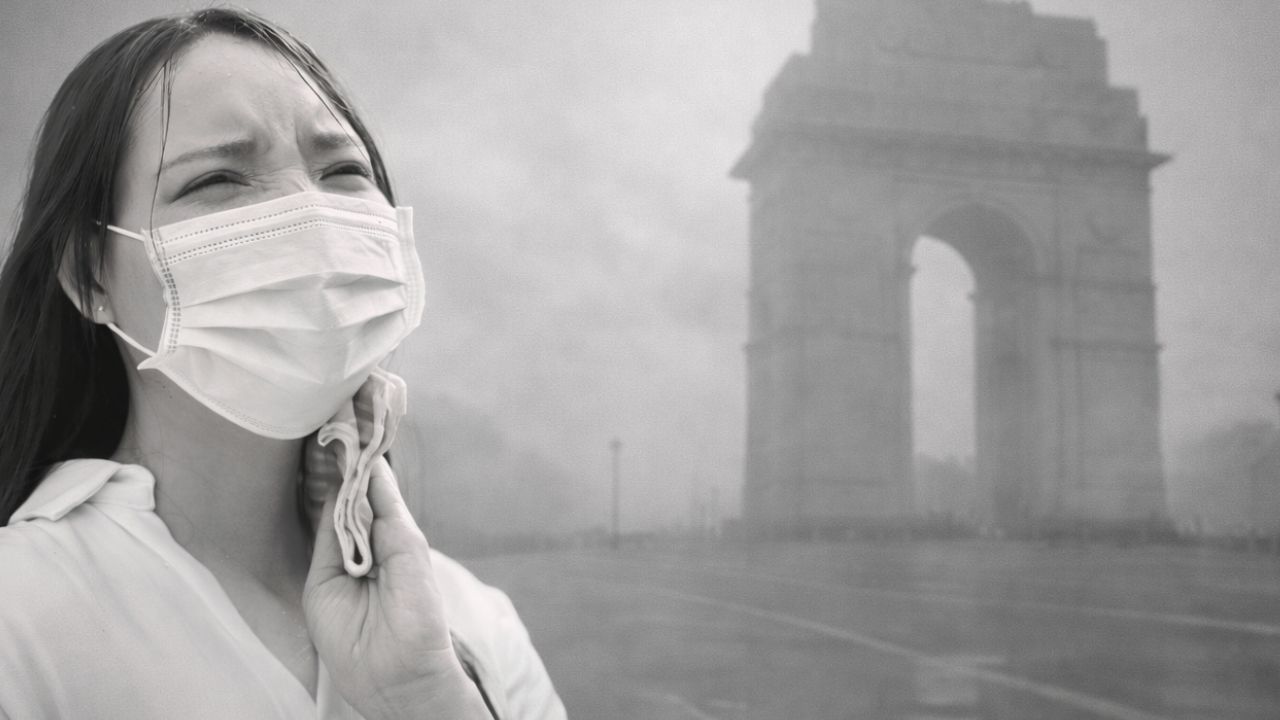
NEW DELHI — Delhi has recorded its poorest Delhi air quality for February in three years, with the average Air Quality Index (AQI) reaching 234 through February 26. According to a report by the Centre for Research on Energy and Clean Air (CREA), this year’s AQI levels represent a significant decline compared to the previous two years, marking 2026 as the most polluted February since 2023.
Comparative Rise in Delhi AQI Levels
The data analysis highlights a worrying trend for Delhi. In 2026, the average February AQI of 234 surpassed the 214 recorded in 2025 and the 218 recorded in 2024. The only year in recent history with higher pollution for this month was 2023, which saw a monthly average of 237.
Throughout the month, the capital experienced 20 days classified in the “poor” category and two days in the “very poor” category. Only four days during the month were categorized as having “moderate” air quality.
Ozone Emerges as Primary Pollutant
A notable shift in the pollution profile was observed this month, as ozone became the most prominent pollutant. As per the details provided by the SAMEER app’s AQI calendar, ozone was the leading pollutant on 21 out of 27 days.
The highest AQI of the month reached 339 on February 4, triggered primarily by ozone. Experts cited in the report explained that ozone is a secondary pollutant formed when nitrogen oxides and other gases react under sunlight. While PM10 was the dominant pollutant on four days and nitrogen dioxide on one, the consistent presence of ozone has defined the city’s air profile this season.
Delhi Air Quality Impact on Resident Health
The report emphasizes that ozone exposure can lead to immediate physical discomfort. According to the WHO guidelines mentioned in the source, levels at or above 100 micrograms per cubic metre can cause:
- Chest tightness and throat irritation.
- Persistent coughing and difficulty breathing.
- Inflammation of the airways and reduced lung function.
- Increased distress for individuals with asthma or existing respiratory conditions.
Current Status and Outlook
On Friday, the 24-hour average AQI stood at 200, placing Delhi in the “moderate” category. However, the cumulative data for the month confirms a regression in air quality improvements seen in the last two years. The Central Pollution Control Board (CPCB) classifications remain the standard for these readings, where an AQI above 200 is considered “poor” and above 300 is “very poor.”

I’am Siddharth a Air pollution analysts are environmental expert who collect, analyze, and interpret air quality data to identify pollutant sources & develop solutions for reducing atmospheric contamination.