Delhi AQI Reaches Hazardous Levels as Capital Struggles with Toxic Air
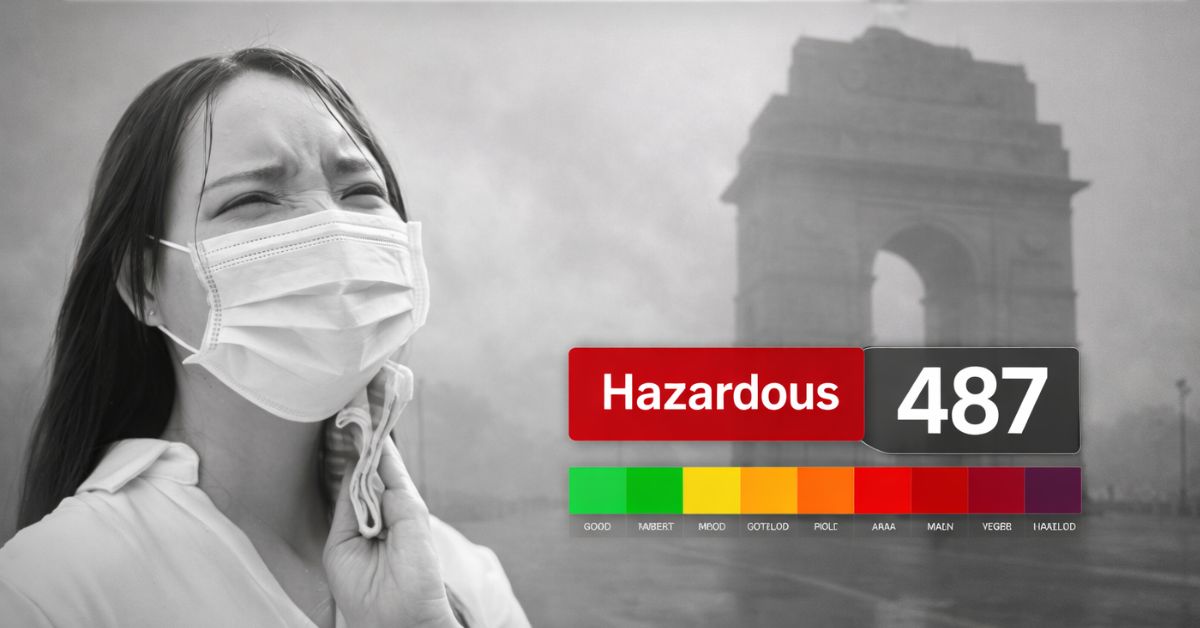
Delhi Air Quality Index (AQI): The national capital is grappling with a severe air quality crisis as pollution levels soar to dangerous heights. Delhi’s overall Air Quality Index (AQI) has reached a hazardous 622, with PM10 levels at 622 and PM2.5 at 291, making the air extremely dangerous for all residents. This alarming situation has prompted urgent health advisories warning citizens to limit outdoor activities and take protective measures. The crisis underscores the urgent need for comprehensive action to address the multiple sources of pollution plaguing India’s capital city.
Current Delhi Air Quality Index (AQI) Status in Delhi
Air pollution in Delhi has reached critical levels, with the city enveloped in toxic smog that poses significant health risks to its over 30 million residents. The current situation represents one of the most severe pollution episodes in recent months.
Latest AQI Readings and Pollution Hotspots
The real-time monitoring data shows Delhi’s overall AQI at 622, firmly in the hazardous category. Multiple monitoring stations across the city have recorded extremely high pollution levels, with several areas experiencing severe air quality.
Key pollutant concentrations include:
- PM10 (respirable particulate matter): AQI 622
- PM2.5 (fine particulate matter): AQI 291
- NO2 (nitrogen dioxide): AQI 100
- CO (carbon monoxide): AQI 12
Delhi Air Quality Today: Most Affected Areas
Anand Vihar, Kashmiri Gate, Bawana, Wazirpur, Alipur, Jahangirpuri, and Burari Crossing and other densely populated residential areas continue to experience some of the worst air quality levels in the city. These neighborhoods face AQI readings that consistently remain in hazardous categories, posing serious health risks to residents, particularly vulnerable populations.
The severity varies across different monitoring stations, with some areas recording readings that make outdoor activities dangerous even for healthy adults.
Health Advisories and Warnings
Health authorities have issued urgent advisories warning citizens about the dangers of outdoor exposure during such extreme pollution levels. The air quality in Delhi is particularly hazardous for sensitive groups.
Vulnerable Populations at Risk:
- Children and infants with developing respiratory systems
- Elderly individuals with compromised immunity
- People with pre-existing respiratory conditions such as asthma or COPD
- Individuals with cardiovascular diseases
- Pregnant women
Health experts strongly recommend that vulnerable populations avoid all outdoor activities, wear N95 or higher-grade masks when venturing outside is unavoidable, and use air purifiers indoors to maintain clean breathing environments.
Comparison with Previous Months
Recent historical analysis shows that in 2026, 0% of 42 days have been within WHO’s safe air quality limits, highlighting the persistent nature of Delhi’s air pollution crisis. New Delhi’s annual 2026 AQI shows an average worsening of 70.08% compared to previous years, indicating a significantly deteriorating trend.
The current readings represent a substantial increase from earlier in February, when AQI levels stood at 271 in the ‘poor’ category. This sharp escalation underscores the volatile nature of Delhi’s air quality and the need for immediate intervention.
Major Causes of Delhi Air Pollution
Understanding the root causes of Delhi’s air pollution crisis is essential for developing effective mitigation strategies. The capital’s toxic air results from a complex interplay of multiple pollution sources.
Vehicular Emissions and Traffic Congestion
Vehicular emissions constitute one of the largest contributors to Delhi’s deteriorating air quality. With millions of vehicles on the road daily, the sheer volume of traffic combined with outdated emission standards results in massive quantities of pollutants being released into the atmosphere.
Key pollutants from vehicles include:
- Carbon monoxide (CO)
- Nitrogen oxides (NOx)
- Particulate matter (PM2.5 and PM10)
- Volatile organic compounds (VOCs)
The situation is exacerbated by traffic congestion, which leads to prolonged idling and inefficient fuel combustion. Despite the implementation of emission norms like BS-VI, enforcement challenges and the large number of older vehicles continue to contribute significantly to pollution levels.
Delhi Industrial Pollution Sources
Industrial activities in and around Delhi play a considerable role in air pollution. Factories, power plants, and industrial units release various pollutants, including particulate matter, carbon monoxide, sulfur dioxide, and volatile organic compounds.
Key industrial pollution sources include:
- Brick kilns operating on the city’s periphery
- Coal-fired thermal power plants
- Small-scale industries using polluting fuels
- Construction and demolition activities generating dust
Effective regulation and stringent enforcement of emission standards are necessary to control these industrial sources. However, monitoring challenges and the prevalence of unauthorized industrial units complicate pollution control efforts.
Stubble Burning and Agricultural Factors
Agricultural stubble burning in neighboring states remains a significant seasonal contributor to Delhi’s air pollution crisis. Farmers in Punjab, Haryana, and western Uttar Pradesh burn crop residue after harvest, releasing enormous quantities of smoke and particulate matter that drift toward Delhi.
Seasonal Impact of Farm Fires:
The post-harvest season, particularly October through November, sees a dramatic spike in farm fires. During this period, thousands of fire incidents are recorded daily across agricultural regions. The smoke from these fires, combined with unfavorable meteorological conditions, creates a toxic cocktail that severely degrades Delhi’s air quality.
The practice persists despite government efforts to provide alternatives, as farmers cite economic constraints and time pressures for continuing stubble burning.
Weather and Geographic Factors
Delhi’s geographic location and meteorological conditions significantly influence pollution accumulation. The city sits in a landlocked basin with limited wind dispersal, particularly during winter months when calm conditions and temperature inversions trap pollutants close to the ground.
Delhi Air Quality Index (AQI) is High: Health Implications and Long-Term Risks
The health consequences of sustained exposure to high pollution levels are severe and far-reaching. Delhi’s residents face both immediate and long-term health risks from breathing toxic air.
Immediate Health Effects
Short-term exposure to hazardous air quality levels can cause:
- Respiratory irritation and breathing difficulties
- Eye, nose, and throat irritation
- Aggravation of existing heart and lung conditions
- Reduced lung function
- Increased susceptibility to respiratory infections
Long-Term Health Consequences
Chronic exposure to air pollution contributes to:
- Increased risk of lung cancer
- Cardiovascular diseases and heart attacks
- Chronic respiratory diseases
- Reduced life expectancy
- Developmental issues in children
- Cognitive decline and neurological problems
The risk of health issues is extreme, potentially causing respiratory problems, heart disease, skin issues, and stress, especially for children, the elderly, and those with pre-existing conditions.
How to Reduce Air Pollution (Delhi Air Quality Index) in Delhi
Addressing Delhi’s air pollution crisis requires a multi-faceted approach involving government action, technological innovation, and individual responsibility.
Delhi Government Initiatives & Policies for Pollution Control
The government has implemented various policies aimed at controlling emissions and improving air quality:
Transportation Measures:
- Implementation of the odd-even vehicle scheme during high pollution episodes
- Promotion of public transportation expansion
- Stricter emission norms for vehicles (BS-VI standards)
- Incentives for electric vehicle adoption
Industrial and Construction Controls:
- Closure of polluting industries during severe pollution episodes
- Mandatory dust control measures at construction sites
- Restrictions on diesel generator use
- Prohibition of certain polluting activities during winter months
Agricultural Solutions:
- Financial assistance for farmers to adopt alternatives to stubble burning
- Provision of machinery for crop residue management
- Penalties for stubble burning violations
Technological Solutions and Innovations
Technology plays a crucial role in both monitoring and mitigating air pollution:
Air Purification Technologies:
- Advanced air purifiers for indoor environments
- Development of smog towers for localized air cleaning
- Green wall installations to filter pollutants
Clean Energy Solutions:
- Expansion of renewable energy infrastructure
- Promotion of solar power installations
- Development of cleaner fuel alternatives
- Electric vehicle charging infrastructure expansion
Monitoring and Forecasting:
- Real-time air quality monitoring networks
- Early warning systems for pollution episodes
- Satellite-based pollution tracking
- AI-powered forecasting models
Individual Actions for Pollution Control
Every resident can contribute to reducing pollution through conscious daily choices:
Personal Protection Measures:
- Use N95 or N99 masks when air quality is poor
- Install HEPA air purifiers in homes and offices
- Keep windows closed during high pollution periods
- Monitor delhi air quality using mobile apps
Lifestyle Modifications:
- Use public transportation, cycle, or walk for short distances
- Carpool when personal vehicle use is necessary
- Avoid outdoor exercise during high pollution hours (typically early morning)
- Support and purchase from environmentally responsible businesses
Community Actions:
- Plant trees in neighborhoods and communities
- Report visible pollution sources to authorities
- Participate in clean air awareness campaigns
- Advocate for stricter pollution control measures
Sustainable Practices:
- Avoid burning waste or leaves
- Maintain vehicles properly to ensure efficient combustion
- Choose cleaner energy options for heating and cooking
- Reduce overall consumption and waste generation
| Action | Impact Level | Implementation Ease |
|---|---|---|
| Using N95 masks | High (Personal) | Easy |
| Public transport/carpooling | Medium (Collective) | Moderate |
| Air purifiers at home | High (Personal) | Easy |
| Vehicle maintenance | Medium (Collective) | Easy |
| Clean energy adoption | High (Collective) | Moderate |
| Tree plantation | Medium (Long-term) | Moderate |
Delhi’s Air Pollution Crisis: A Call to Action
Delhi’s air pollution problem demands urgent, coordinated action from all stakeholders. The crisis has evolved into a public health emergency that affects millions of residents daily, with consequences extending far beyond immediate respiratory discomfort.
The complexity of Delhi’s air quality challenges requires moving beyond single-solution thinking. While government policies provide the regulatory framework, technological innovations offer tools for monitoring and mitigation, and individual actions create grassroots change, only the integration of all three approaches can produce meaningful, sustained improvement.
Immediate Priorities:
- Enhanced enforcement of existing pollution control regulations
- Expansion of real-time monitoring and early warning systems
- Increased public awareness about health risks and protective measures
- Accelerated transition to cleaner transportation and energy systems
Long-Term Solutions:
- Regional cooperation with neighboring states on stubble burning alternatives
- Massive expansion of public transportation infrastructure
- Stringent enforcement of industrial emission standards
- Urban planning reforms to reduce congestion and pollution hotspots
The path forward requires sustained commitment from government agencies, private sector innovation, civil society engagement, and individual behavioral change. Delhi’s air pollution crisis did not emerge overnight, and its resolution will similarly require persistent, long-term effort across all sectors of society.
Every action counts. Whether it’s choosing public transport, supporting clean energy initiatives, or simply staying informed about air quality conditions, individual choices collectively shape the city’s environmental future. The time for action is now—Delhi’s residents deserve clean, breathable air.
Delhi Air Quality Index (AQI) Today is Critical
| Aspect | Details |
|---|---|
| Current AQI Level | 622 (Hazardous) |
| Primary Pollutants | PM10: 622, PM2.5: 291 |
| Health Risk | Severe – exceeds safe limits |
| Advisory | Avoid outdoor activities, wear N95 masks |
| Population Impact | All residents at risk, especially vulnerable groups |
Delhi Air Quality Index (AQI) is bad in many areas of delhi which is already mentioned above. Take all precautions to take care of your health.
Delhi Air Quality Index (AQI) – Frequently Asked Questions (FAQs)
Q: What is the current air quality status in Delhi?
A: Delhi’s current air quality is hazardous, with an overall AQI of 622, PM10 levels at 622, and PM2.5 at 291. These levels make outdoor activities dangerous for all population groups, not just vulnerable individuals.
Q: What are the health implications of Delhi’s air pollution?
A: The health implications are severe and affect everyone, though vulnerable populations face greater risks. Immediate effects include respiratory irritation, breathing difficulties, and eye irritation. Long-term exposure increases risks of cardiovascular disease, lung cancer, chronic respiratory conditions, and developmental problems in children. If the Delhi Air Quality Index (AQI) is high then the risk of health issues is extreme, potentially causing respiratory problems, heart disease, skin issues, and stress.
Q: What are the primary causes of air pollution in Delhi?
A: Delhi’s air pollution stems from multiple sources: vehicular emissions from millions of vehicles contribute significant nitrogen oxides and particulate matter; industrial activities release various pollutants including dust and gases; seasonal stubble burning in neighboring agricultural states adds massive quantities of smoke and particles; and construction activities generate substantial dust. Weather patterns and geographic factors further concentrate these pollutants.
Q: How can individuals help reduce (Delhi Air Quality Index) air pollution in Delhi?
A: Individuals can make a significant difference through several actions: wear N95 or higher-grade masks during high pollution periods; minimize outdoor exposure when AQI is elevated; use air purifiers at home; choose public transportation, cycling, or carpooling over personal vehicles; maintain vehicles properly; avoid burning waste; plant trees; and support businesses with environmentally responsible practices.
Q: What government initiatives are being taken to mitigate air pollution in Delhi?
A: The government has implemented multiple initiatives including the odd-even vehicle scheme during severe pollution episodes, stricter vehicle emission norms (BS-VI), restrictions on polluting industries and diesel generators, mandatory dust control at construction sites, financial assistance for farmers to adopt alternatives to stubble burning, expansion of public transportation, and promotion of electric vehicle adoption.
Q: How does stubble burning contribute to Delhi’s air pollution?
A: Delhi Air Quality Index (AQI) is high due to majorly from Stubble burning in neighboring states of Punjab, Haryana, and western Uttar Pradesh releases enormous quantities of smoke and particulate matter during post-harvest seasons, particularly October through November. Thousands of farm fires burn daily during peak season, and the smoke drifts toward Delhi due to prevailing wind patterns, significantly degrading air quality when combined with local pollution sources.
Q: What are the most affected areas in Delhi due to air pollution?
A: Multiple areas across Delhi experience hazardous air quality, with Defence Colony and other densely populated residential neighborhoods among the worst affected. Monitoring stations in these areas consistently record AQI levels in the very poor to hazardous categories. Industrial zones, areas near major highways, and localities with high construction activity also experience elevated pollution levels.
Q: How can technological innovations help in reducing Delhi’s air pollution?
A: Technology contributes to pollution control through several avenues: advanced air purifiers and smog towers provide localized air cleaning; real-time monitoring networks and AI-powered forecasting enable early warnings and informed decision-making; satellite tracking helps identify pollution sources; electric vehicle technology reduces transportation emissions; renewable energy infrastructure decreases reliance on fossil fuels; and smart city technologies optimize traffic flow and reduce congestion-related pollution.
Article Reality Physically Checked by Professional Editors on topic Delhi Air Quality Index (AQI) – Last Updated: February 11, 2026 Data Sources: Central Pollution Control Board (CPCB), Delhi Air Quality Index (AQI) Monitoring Networks, India Meteorological Department (IMD)

Nidhi Kapoor is an environmental journalist and air pollution monitoring expert with 8 years of experience. She specializes in collecting, analyzing, and interpreting air quality data to identify pollutant sources and their impact on public health. Through her investigative reporting, Nidhi develops insights and advocates for evidence-based solutions to reduce atmospheric contamination.