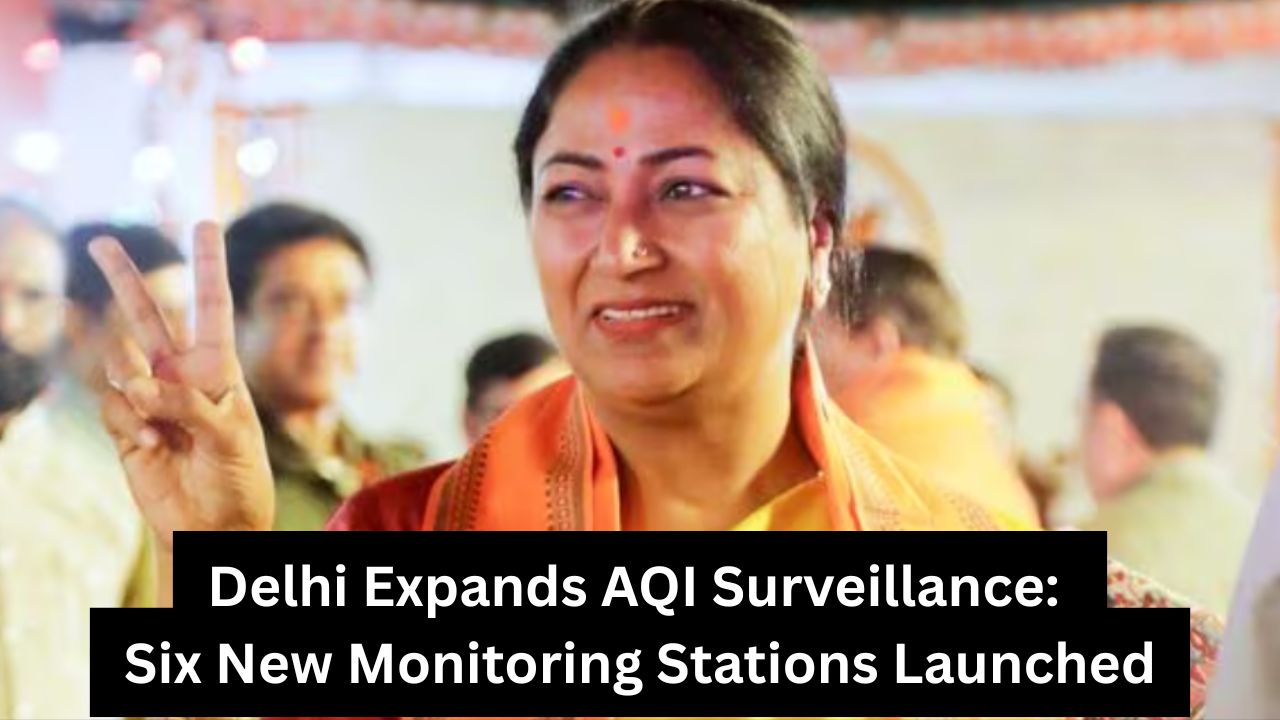
NEW DELHI: Delhi has significantly bolstered its environmental monitoring infrastructure with the launch of six new Continuous Ambient Air Quality Monitoring Stations (CAAQMS). This expansion brings the total number of monitoring stations in the national capital to 46—the largest network of its kind in India—marking a critical step in the city’s data-driven approach to combating pollution.
Strengthening Data-Driven Strategy
The newly inaugurated stations are strategically positioned at key locations, including Jawaharlal Nehru University (JNU) and Delhi Cantonment. These facilities are currently streaming real-time air quality data via the Delhi Pollution Control Committee (DPCC) website. While the stations are operational, full integration into the Central Pollution Control Board (CPCB) network is expected to be finalized within the coming week, ensuring a comprehensive view of urban air quality across the city.
Delhi Environment Minister Manjinder Singh Sirsa underscored that precise, real-time data is the cornerstone of effective pollution mitigation. By expanding the density of the monitoring grid, the government aims to identify pollution hotspots more accurately and design targeted interventions based on specific regional needs.
The ‘Vayu Rakshak’ Initiative and Future Expansion
The installation of these stations is part of a broader environmental management push. Alongside the new monitoring infrastructure, the government has launched the ‘Vayu Rakshak’ drive, which deploys 100 dedicated enforcement personnel to monitor compliance and manage pollution-related issues on the ground.
Looking ahead, authorities have already announced plans for an additional 14 monitoring stations, signaling a sustained commitment to improving the capital’s environmental intelligence capabilities.
What This Means for Residents
- Enhanced Transparency: With more monitoring points, residents can access granular, location-specific air quality data, allowing for better-informed daily planning.
- Proactive Enforcement: The combination of increased data collection and the ‘Vayu Rakshak’ enforcement drive is expected to lead to faster responses in areas experiencing localized air quality spikes.
- Public Health: Improved monitoring supports the government’s ability to issue more accurate health advisories for vulnerable populations, including those with respiratory concerns.
What Happens Next
As the new stations complete their integration into the CPCB network, the focus will shift toward utilizing this expanded dataset to refine long-term pollution control policies. The government’s commitment to adding another 14 stations remains a key priority in the ongoing effort to manage Delhi’s complex air quality challenges.
Frequently Asked Questions
1. How many air quality stations does Delhi have now? With the addition of six new stations, Delhi now operates 46 Continuous Ambient Air Quality Monitoring Stations (CAAQMS), the largest such network in the country.
2. Where can residents check the real-time data from these stations? Real-time data is currently available on the Delhi Pollution Control Committee (DPCC) website, with full CPCB integration expected shortly.
3. What is the ‘Vayu Rakshak’ drive? It is a newly launched enforcement initiative involving 100 personnel dedicated to ensuring compliance with environmental norms and managing pollution control efforts on the ground. You can check the live AQI.
If you have any local area information related to DELHI AQI, you can reachout to us we will write to share your local area problems through our articles.

Nidhi Kapoor is an environmental journalist and air pollution monitoring expert with 8 years of experience. She specializes in collecting, analyzing, and interpreting air quality data to identify pollutant sources and their impact on public health. Through her investigative reporting, Nidhi develops insights and advocates for evidence-based solutions to reduce atmospheric contamination.