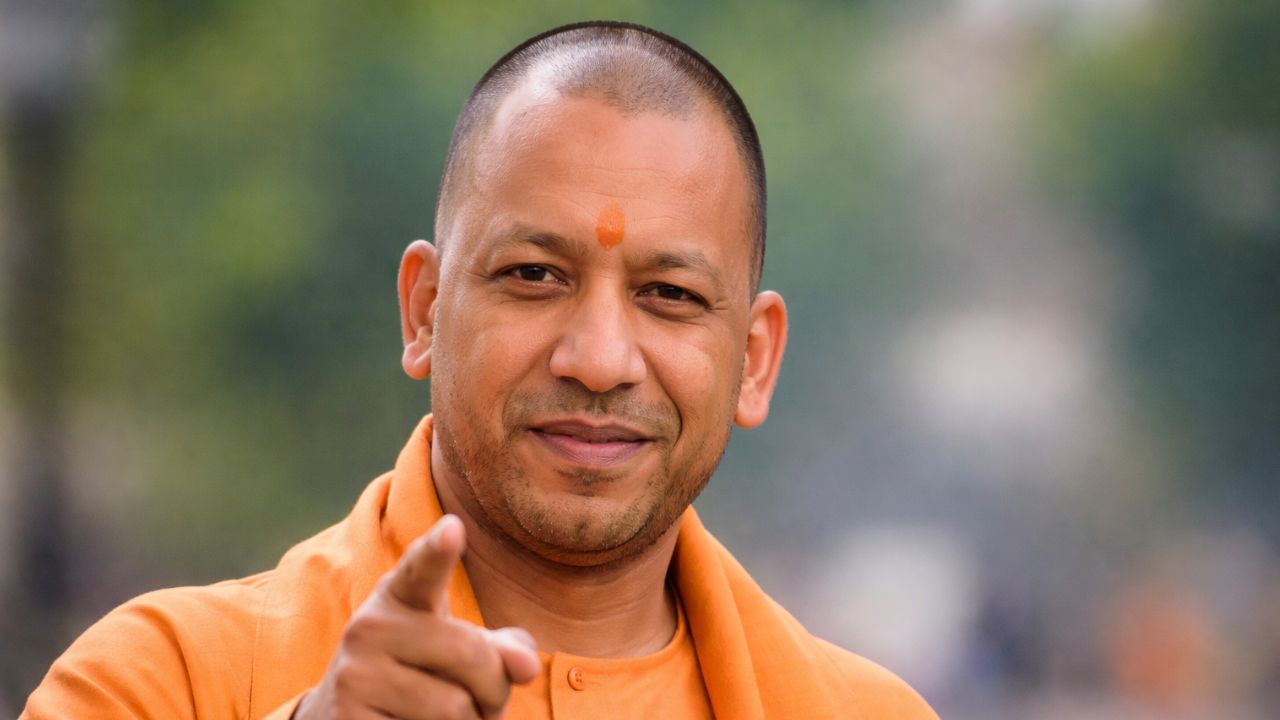
Uttar Pradesh Chief Minister Yogi Adityanath on February 14, 2026, described Delhi as feeling “like a gas chamber” while addressing air pollution concerns in the National Capital Region. The remarks came during a public event where he contrasted Delhi AQI today with Uttar Pradesh’s environmental management efforts.
Adityanath claimed his government has successfully controlled air pollution Delhi struggles with through strict enforcement mechanisms. The statement intensifies the ongoing political debate over NCR air quality management between neighboring state governments.
Why This Matters Today
The comparison surfaces as Delhi enters the post-winter transition period when pollution levels typically show improvement. However, localized areas continue recording elevated particulate matter concentrations. The political exchange highlights governance gaps in coordinated pollution control across state boundaries.
Delhi residents face daily exposure to varying air quality levels affecting commutes, outdoor activities, and health outcomes. Children, elderly citizens, and those with respiratory conditions remain most vulnerable to pollution spikes.
What Authorities Said
Adityanath pointed to industrial regulation, biomass burning control, and green cover expansion as reasons for improved readings in select UP cities. He did not provide specific comparative AQI data during his address.
Delhi government officials have not responded to the remarks. Previous statements from the capital’s administration have emphasized BS-VI fuel implementation, electric vehicle subsidies, and construction dust controls as key interventions.
What This Means for Residents
Air pollution Delhi experiences originates from multiple sources, including vehicular emissions, construction activity, and cross-border pollutant transport. Seasonal weather patterns and geographical factors further influence daily pollution levels across the NCR region.
Residents traveling between Delhi and UP face variable air quality exposure. Health advisories remain active for sensitive groups during elevated AQI episodes. Schools and offices in both regions follow real-time monitoring protocols, though enforcement varies.
Working professionals commuting across state borders should check daily AQI bulletins before planning outdoor activities. Medical experts recommend limiting prolonged exposure during poor air quality days and using N95 masks in high-pollution zones.
What Happens Next
NCR states are scheduled to meet in March 2026 for pollution control strategy discussions. Delhi authorities may release comparative emission data to address Adityanath’s claims. Independent monitoring agencies will continue publishing regional air quality assessments.
Yogi Adityanath & UP Govt.
Yogi Adityanath & Both UP-Delhi governments face pressure to demonstrate measurable improvements beyond political statements. Coordinated action on stubble burning, industrial emissions, and vehicular pollution remains critical for sustained air quality gains across the entire National Capital Region.
Residents should monitor official AQI channels, reduce outdoor exposure during poor air quality episodes, and follow health advisories issued by local authorities.

Nidhi Kapoor is an environmental journalist and air pollution monitoring expert with 8 years of experience. She specializes in collecting, analyzing, and interpreting air quality data to identify pollutant sources and their impact on public health. Through her investigative reporting, Nidhi develops insights and advocates for evidence-based solutions to reduce atmospheric contamination.